
Author: vickisellsgrandstrand

  • Is Myrtle Beach a Good Place to Live Year-Round?

    Is Myrtle Beach a Good Place to Live Year-Round?

    Ask Vicki

    Is Myrtle Beach a Good Place to Live Year-Round?

    Vicki HarveyAnswered by Vicki Harvey26 Years of Real Estate Experience · Updated November 2026

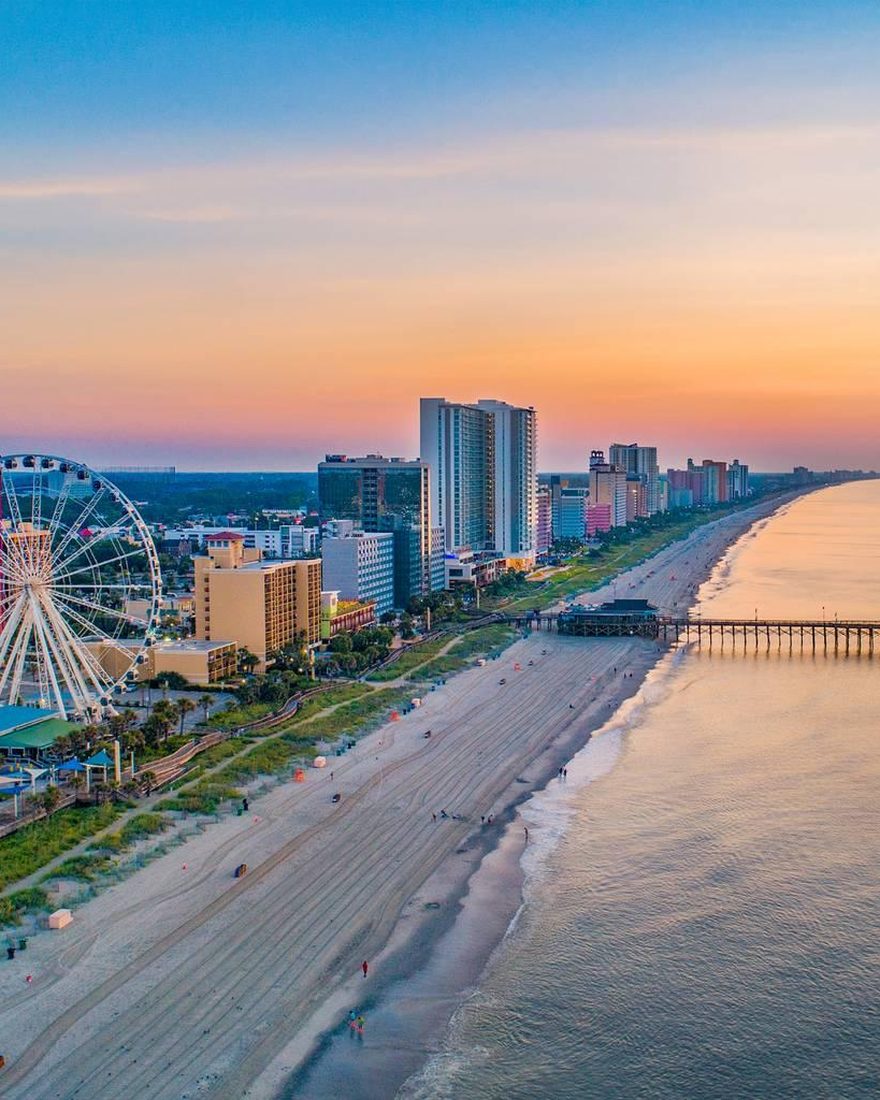
    The short answer: yes, for a lot of people. You get mild winters, 60 miles of beaches, low property taxes for full-time residents, and plenty of golf, dining and healthcare close by. The trade-offs are summer traffic, hurricane season, and insurance that can cost more than it does inland. Which town fits you best depends on how you want to live.

    MildShort, gentle winters and a long beach season.
    4%Low property tax rate on your primary home.
    Jun–NovHurricane season. Know your flood and evacuation zones.

    What do people love about living here?

    • The weather: you can be outside almost all year.
    • Low property taxes on your primary home, once you apply for the 4% rate.
    • Living costs close to the national average, with housing that’s often more affordable than in the Northeast and Midwest. It depends on the town and how close you are to the ocean.
    • Lots to do: beaches, dozens of golf courses, boating, fishing, shows and restaurants.
    • Friendly neighbors from all over the country, from retirees to young families.

    What should I plan for?

    • Tourist season: summer brings crowds and traffic near the beach. Locals learn the back roads quickly!
    • Hurricane season: June through November. Know your evacuation zone and your flood zone.
    • Insurance: homeowners, wind and flood coverage can cost more than in inland states. See Do I Need Flood Insurance in Myrtle Beach?
    • Summer utility bills can run a little higher with the A/C.
    Vicki Harvey

    Vicki’s tip: Visit in the off-season if you can. Myrtle Beach in January feels very different from July, and seeing both helps you know it’s right for you all year. After 26 years in real estate here, I love helping people find the neighborhood that fits their budget and lifestyle.

    Ask me a question

    Which Grand Strand town fits me?

    • Myrtle Beach: the center of everything. Market Common and Carolina Forest are popular with families and retirees.
    • North Myrtle Beach: a slightly quieter, family-friendly beach town.
    • Surfside Beach: “The Family Beach,” with a small-town feel close to the city.
    • Murrells Inlet and Garden City: seafood, the MarshWalk and life on the water.
    • Pawleys Island and Litchfield: relaxed, quieter and more upscale.
    • Conway, Longs, Loris and Little River: more space for your money and small-town charm.

    Still deciding between two areas? Read Carolina Forest vs. Socastee: Which Is Better for Me? or browse my community guides.

    Comparing prices? See current numbers on my market updates by ZIP code.

    Quick answers

    Is Myrtle Beach a good place to retire?

    Many retirees choose Myrtle Beach for its mild winters, low property taxes on a primary home, golf, beaches and healthcare. Market Common, Carolina Forest and the 55+ communities are popular choices.

    Is it expensive to live in Myrtle Beach?

    The overall cost of living is close to the national average. Housing is often more affordable than in the Northeast and Midwest, while insurance and summer utility bills can run higher.

    What are the downsides of living in Myrtle Beach?

    Summer tourist traffic, hurricane season from June to November, and higher home and flood insurance costs than many inland areas.

    Which is better to live in, Myrtle Beach or North Myrtle Beach?

    It depends on your lifestyle. Myrtle Beach puts you near more shopping, dining and jobs. North Myrtle Beach is a bit quieter and more family-focused.

    Vicki Harvey, Myrtle Beach Realtor

    Vicki Harvey

    Realtor · Realty ONE Group Dockside

    Vicki has 26 years of real estate experience and a background in appraisal, so she looks at every home the way a lender’s appraiser will. She is a Zillow Premier Agent, an American Dream TV host, and licensed in South Carolina (#81049) and Florida.

    More about Vicki · (843) 222-7800

    Moving to the Grand Strand?

    Tell me a little about your plans and I’ll help you find the town and neighborhood that fit you best.

    Contact Vicki

    This article is general information, not legal, tax or insurance advice. Rules and rates change, so please confirm the details for your own situation.
  • What Are Closing Costs in South Carolina?

    What Are Closing Costs in South Carolina?

    Ask Vicki

    What Are Closing Costs in South Carolina?

    Vicki HarveyAnswered by Vicki Harvey26 Years of Real Estate Experience · Updated November 2026

    The short answer: buyers in South Carolina usually pay about 2% to 5% of the purchase price in closing costs, depending on the loan and the property. South Carolina is an “attorney state,” so a licensed real estate attorney supervises every closing. The seller customarily pays the state deed recording fee, which is South Carolina’s version of a transfer tax.

    2–5%Typical buyer closing costs, depending on your loan and property.
    $3.70Deed recording fee per $1,000 of the sale price, usually paid by the seller.
    AttorneyA licensed SC attorney must supervise the closing.

    Why do I need an attorney to close in South Carolina?

    In many states a title company runs the closing. In South Carolina, a licensed attorney has to supervise it. Your closing attorney searches the title, prepares and reviews the documents, handles the money, and records your deed. As the buyer, you usually get to choose the closing attorney, and I’m happy to recommend trusted local firms.

    What closing costs does the buyer pay?

    • Closing attorney fee and title search
    • Title insurance: the lender’s policy, plus an owner’s policy (I always recommend it)
    • Lender fees: origination, appraisal and credit report
    • Recording fees for your mortgage
    • Prepaids: homeowners, wind and flood insurance, plus setting up your escrow account
    • Prorated property taxes and HOA dues
    • Condo or HOA transfer fees, if the association charges them

    What closing costs does the seller pay?

    • Deed recording fee: $1.85 per $500 of the sale price. On a $400,000 sale, that’s $1,480.
    • Deed preparation
    • Paying off any existing mortgage
    • Prorated property taxes for the part of the year they owned the home
    • Real estate commissions, plus any closing-cost credits negotiated for the buyer
    Vicki Harvey

    Vicki’s tip: Ask your lender for a Loan Estimate before you make an offer, so you know your cash to close. Sometimes we can negotiate for the seller to cover part of your closing costs, and I’ll tell you honestly when that’s a realistic ask.

    Ask me a question

    How are property taxes handled at closing?

    South Carolina property tax bills come out in the fall and cover the current year. At closing, the seller credits you for the part of the year they owned the home, and you pay the full bill when it arrives. If the home will be your primary residence, apply for the 4% rate right after closing. Here’s why: What Is the 4% vs. 6% Property Tax Rate in South Carolina?

    Comparing areas? See current prices on my market updates by ZIP code.

    Quick answers

    Do I need a lawyer to buy a house in South Carolina?

    Yes. South Carolina requires a licensed attorney to supervise real estate closings. The buyer usually chooses the closing attorney.

    How much are closing costs for buyers in South Carolina?

    Buyer closing costs usually run about 2% to 5% of the purchase price, depending on the loan, insurance and the property.

    Who pays the deed recording fee in South Carolina?

    The seller customarily pays it. The fee is $1.85 per $500 of the sale price, but who pays can be negotiated in the contract.

    Can the seller pay my closing costs?

    Yes, if it is negotiated in the contract and your loan program allows it. It is more common when a home has been on the market for a while.

    Vicki Harvey, Myrtle Beach Realtor

    Vicki Harvey

    Realtor · Realty ONE Group Dockside

    Vicki has 26 years of real estate experience and a background in appraisal, so she looks at every home the way a lender’s appraiser will. She is a Zillow Premier Agent, an American Dream TV host, and licensed in South Carolina (#81049) and Florida.

    More about Vicki · (843) 222-7800

    Buying or selling on the Grand Strand?

    Tell me a little about your plans and I’ll help you figure out what your closing costs would look like.

    Contact Vicki

    This article is general information, not legal, tax or insurance advice. Rules and rates change, so please confirm the details for your own situation.
  • What Should I Fix Before Selling My House?

    What Should I Fix Before Selling My House?

    Ask Vicki

    What Should I Fix Before Selling My House?

    Vicki HarveyAnswered by Vicki Harvey26 Years of Real Estate Experience · Updated November 2026

    The short answer: fix anything a buyer’s inspector will flag, like leaks, roof issues, HVAC problems and anything broken. Then put your money into low-cost updates that look great in photos: fresh neutral paint, a deep clean, good lighting and curb appeal. Skip big remodels, because they rarely pay back what they cost.

    Fix, freshen or skip?

    What it includesWhy
    FixRoof leaks, water stains, HVAC problems, plumbing drips, soft floors, rot, anything brokenThese show up on the inspection report and lead to repair requests, credits or lost buyers.
    FreshenNeutral paint, deep cleaning, bright bulbs, new fixtures, mulch, a clean front doorLow cost, big impact in photos and showings.
    SkipFull kitchen or bath remodels, additions, high-end custom finishesRarely returns its cost, and buyers often want to choose their own style.

    Fix first: what inspectors find

    • Roof leaks, missing shingles and water stains on ceilings
    • An HVAC system that hasn’t been serviced. Buyers here notice in July!
    • Plumbing drips, soft spots in floors, and rot around doors and windows
    • Signs of moisture, which matter extra in our humid coastal climate
    • Anything that doesn’t work: outlets, appliances, garage doors, ceiling fans

    Consider a pre-listing inspection. It shows you what a buyer’s inspector will find, so there are no surprises in the middle of your contract.

    Vicki Harvey

    Vicki’s tip: With my background in appraisal, I look at your home the way a buyer’s appraiser will. Before you spend a dollar, let’s walk through it together and decide what’s actually worth fixing.

    Get my home value

    Then: the updates that pay off

    1. Fresh, neutral paint in the main rooms
    2. A deep clean, including windows, grout and baseboards
    3. Better lighting: bright bulbs and simple updated fixtures
    4. Curb appeal: a tidy yard, fresh mulch, a clean front door and house numbers you can read
    5. Less stuff: fewer furniture pieces and personal items, so rooms feel bigger

    What an appraiser actually looks at

    The appraised value has to support your price for the buyer’s loan to close. Appraisers focus on size, location, condition and recent comparable sales. That’s why fixing condition problems matters more than adding luxury finishes the neighborhood’s sales can’t support.

    Curious what homes near you are selling for? Check my market updates by ZIP code or read how I help sellers.

    Quick answers

    Should I remodel my kitchen before selling?

    Usually not. Big remodels rarely return their full cost. Repairs, paint, cleaning and curb appeal usually give a better return.

    What repairs matter most before selling a house?

    Repairs a home inspector would flag, such as roof, water intrusion, HVAC and plumbing issues, matter most because they can stall a sale or lead to price reductions.

    Should I get a pre-listing inspection?

    It can help. A pre-listing inspection shows you what a buyer’s inspector will find, so you can fix it or price for it before you list.

    Vicki Harvey, Myrtle Beach Realtor

    Vicki Harvey

    Realtor · Realty ONE Group Dockside

    Vicki has 26 years of real estate experience and a background in appraisal, so she looks at every home the way a lender’s appraiser will. She is a Zillow Premier Agent, an American Dream TV host, and licensed in South Carolina (#81049) and Florida.

    More about Vicki · (843) 222-7800

    What’s your home worth?

    Get a real number for your address, based on what’s actually selling on your street. Then we’ll talk about what’s worth fixing.

    Home valuation request

    This article is general information, not legal, tax or insurance advice. Rules and rates change, so please confirm the details for your own situation.
  • Can I Rent Out My Myrtle Beach Condo Short-Term?

    Can I Rent Out My Myrtle Beach Condo Short-Term?

    Ask Vicki

    Can I Rent Out My Myrtle Beach Condo Short-Term?

    Vicki HarveyAnswered by Vicki Harvey26 Years of Real Estate Experience · Updated November 2026

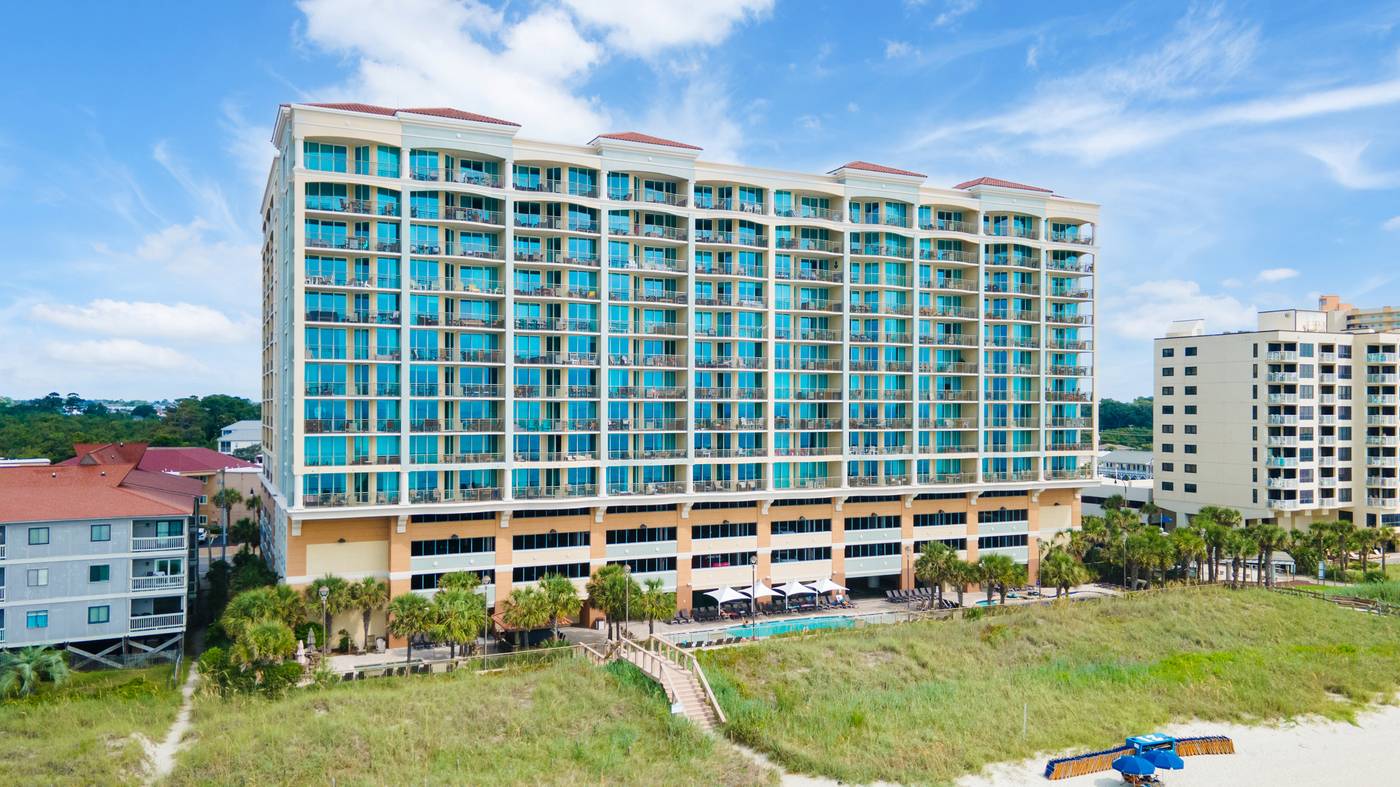
    The short answer: often yes, but it depends on exactly where the property is. Inside Myrtle Beach city limits, most traditional residential neighborhoods are not zoned for short-term rentals, and every rental needs a business license. Many oceanfront condo buildings are zoned for it. Always check the zoning, the town and the HOA rules before you buy.

    Under 90 daysHow the City of Myrtle Beach defines a short-term rental.
    3 checksZoning, the town’s license rules, and the HOA.
    TaxesShort-term rentals collect state and local accommodations taxes.

    The rules depend on the town

    The Grand Strand isn’t one jurisdiction. The same condo could follow very different rules depending on which side of a town line it sits on.

    Where the property isWhat to know
    City of Myrtle BeachA city business license is required for all rentals. Most traditional residential (R) neighborhoods are not zoned for rentals under 90 days. Many short-term rentals are allowed east of Kings Highway, where a 2024 zoning overlay also limits converting those properties to long-term use.
    North Myrtle BeachShort-term rentals need a city business license. The city has been discussing stricter rules, so check what’s current.
    Surfside BeachA town business license is required, plus local taxes.
    Unincorporated Horry County
    (Garden City, Murrells Inlet, Longs and more)
    A Horry County business license and county zoning approval, plus county hospitality and accommodations fees.
    Simplified overview, current as of November 2026. Rules change, so always confirm with the town or county before you buy.

    The three things to check before you buy

    1. Zoning. Is the exact property in a district that allows rentals under 90 days?
    2. The town’s license and tax rules. Know which city, town or county you’re in, and what it requires.
    3. The HOA or condo association. Even where the town allows it, the building’s own rules may limit or ban short-term rentals, set minimum stays, or require a rental program.
    Vicki Harvey

    Vicki’s tip: Never rely on a listing that says “great rental.” Before you make an offer, I’ll help you confirm the zoning with the city and get the HOA documents, so you know exactly what you’re buying.

    Ask about a property

    Don’t forget the costs

    • Taxes: short-term rentals collect South Carolina sales and accommodations taxes, plus local fees that vary by town.
    • Insurance: you’ll want coverage that fits a rental, and flood and wind coverage on the coast.
    • Management: many owners use a rental management company. Factor in their fee.
    • Property tax: a rental is assessed at the 6% rate, not 4%. See how the 4% vs. 6% rate works.

    Shopping for an oceanfront condo? Browse Myrtle Beach 29577, North Myrtle Beach and Surfside Beach.

    Quick answers

    What counts as a short-term rental in Myrtle Beach?

    The City of Myrtle Beach treats any rental of less than 90 days as short-term.

    Do I need a license to rent my property in Myrtle Beach?

    Yes. The City of Myrtle Beach requires a business license for rental property, short-term or long-term. Other towns and unincorporated Horry County have their own license requirements.

    Can an HOA ban short-term rentals in Myrtle Beach?

    An HOA or condo association can have its own rules that limit or ban short-term rentals, even where the city’s zoning allows them. Always read the HOA documents before you buy.

    Vicki Harvey, Myrtle Beach Realtor

    Vicki Harvey

    Realtor · Realty ONE Group Dockside

    Vicki has 26 years of real estate experience and a background in appraisal, so she looks at every home the way a lender’s appraiser will. She is a Zillow Premier Agent, an American Dream TV host, and licensed in South Carolina (#81049) and Florida.

    More about Vicki · (843) 222-7800

    Thinking about a rental property?

    Send me the building or neighborhood you’re looking at, and I’ll help you check the zoning and HOA rules before you make an offer.

    Contact Vicki

    This article is general information, not legal, tax or insurance advice. Rules and rates change, so please confirm the details for your own situation.
  • Carolina Forest vs. Socastee: Which Is Better for Me?

    Carolina Forest vs. Socastee: Which Is Better for Me?

    Ask Vicki

    Carolina Forest vs. Socastee: Which Is Better for Me?

    Vicki HarveyAnswered by Vicki Harvey26 Years of Real Estate Experience · Updated November 2026

    The short answer: both are popular areas just inland from the beach, and neither is “better.” They’re different, and right now their prices are close. Carolina Forest (29579) is mostly newer construction in planned neighborhoods. Socastee (29588) sits along the Intracoastal Waterway, with more houses on bigger yards and a mix of older and newer homes. Your commute, lifestyle and the kind of home you want decide which one fits.

    Side by side: the numbers right now

    Last 30 daysCarolina Forest (29579)Socastee (29588)
    Homes sold112104
    Median sale price$325,750$338,000
    Median asking price (active)$385,300$349,220
    Active listings574363
    Sellers got (of list price)96%97%
    Days on market6164
    Coastal Carolinas MLS data as of mid-November 2026. Numbers change every month. See the latest on my Carolina Forest and Socastee market updates.

    What that tells me: both areas move faster than most of the Grand Strand. Carolina Forest has more homes to choose from. Socastee has fewer listings for the number of buyers, so good homes there don’t sit long.

    Carolina Forest might be for you if…

    • You want newer construction in a planned community with pools, trails or a clubhouse.
    • You don’t mind an HOA in exchange for well-kept streets and amenities.
    • You want shopping, dining and schools close by, about ten minutes inland from the sand.
    • You’re relocating and want a neighborhood full of other people who just moved here too.

    Socastee might be for you if…

    • You want a house with a yard, and maybe room for a boat or a workshop.
    • You’d like options with low or no HOA fees.
    • You love being near the water. Parts of Socastee sit right along the Intracoastal Waterway.
    • You want quick access to Market Common, Surfside Beach and the south end.
    Vicki Harvey

    Vicki’s tip: Drive both areas at 5 p.m. on a weekday, and again on a summer Saturday. Traffic is the thing buyers underestimate most here.

    Ask Vicki

    What I’d check in either one

    1. Flood zone, street by street. Some parts of both areas sit near creeks, wetlands or the Intracoastal. Read my answer on flood insurance in Myrtle Beach.
    2. HOA fees and rules. What do they cover? Are there rental or parking restrictions?
    3. Schools. Check the school assignment for the exact address, not just the ZIP.
    4. Your commute. Time it from the actual neighborhood.

    Ready to look? Browse live listings in Carolina Forest and Socastee.

    Quick answers

    What zip code is Carolina Forest?

    Carolina Forest is in Myrtle Beach, SC 29579.

    What zip code is Socastee?

    Socastee is in Myrtle Beach, SC 29588.

    Is Carolina Forest or Socastee cheaper?

    Prices are close. In the 30 days before mid-November 2026, the median sale price was about $325,750 in Carolina Forest and about $338,000 in Socastee, based on Coastal Carolinas MLS data.

    Vicki Harvey, Myrtle Beach Realtor

    Vicki Harvey

    Realtor · Realty ONE Group Dockside

    Vicki has 26 years of real estate experience and a background in appraisal, so she looks at every home the way a lender’s appraiser will. She is a Zillow Premier Agent, an American Dream TV host, and licensed in South Carolina (#81049) and Florida.

    More about Vicki · (843) 222-7800

    Get my shortlist for you

    Tell me your budget and what matters most, and I’ll send you a shortlist of homes in the right neighborhoods.

    Buyer shortlist request

    This article is general information, not legal, tax or insurance advice. Rules and rates change, so please confirm the details for your own situation.
  • What Is the 4% vs. 6% Property Tax Rate in South Carolina?

    What Is the 4% vs. 6% Property Tax Rate in South Carolina?

    Ask Vicki

    What Is the 4% vs. 6% Property Tax Rate in South Carolina?

    Vicki HarveyAnswered by Vicki Harvey26 Years of Real Estate Experience · Updated November 2026

    The short answer: in South Carolina, the home you live in full-time (your “legal residence”) is assessed at 4% of its value. A second home, vacation home or rental is assessed at 6%. And the 4% rate is not automatic. You have to apply for it with the county assessor after you close.

    4%Your primary home, once your legal residence application is approved.
    6%Second homes, vacation homes, rentals, and any home without an approved application.
    1 homeOnly one property can be your legal residence.

    What does that look like in real numbers?

    South Carolina figures property tax in two steps. First, your home’s market value is multiplied by the assessment ratio. Then that assessed value is multiplied by your area’s millage rate. Here’s the first step for a $350,000 home:

    Primary home (4%)Second home or rental (6%)
    Market value$350,000$350,000
    Assessed value$14,000$21,000
    Difference—50% higher before millage
    Illustration only. Your actual bill depends on the local millage rate where the home is located.

    There’s more. Owner-occupied primary homes are also exempt from the school operating portion of the tax, so the real difference on your bill is usually even bigger than 50%.

    How do I apply for the 4% rate?

    1. Close and move in. It has to be where you actually live.
    2. Gather your documents. The assessor will ask for proof that the home is your legal residence, like your SC driver’s license, vehicle registration and voter registration at that address.
    3. Apply with the county. In Horry County, use the Legal Residence Application under Online Services on horrycountysc.gov, or apply at the Assessor’s Office in Conway. Buying in Pawleys Island or Litchfield? That’s Georgetown County.
    4. Check your tax bill. If it still shows 6%, call the assessor’s office right away.
    Vicki Harvey

    Vicki’s tip: Put a reminder in your phone the day you close. It’s one application, and it can save you money every single year. Questions about the process? The Horry County Assessor’s Office is at (843) 915-5040.

    Ask me a question

    Who this matters most for

    • Relocating buyers. If you’re moving here full-time, apply right away. Don’t keep a legal residence in another state.
    • Second-home buyers. Budget for the 6% rate when you compare condos and beach houses.
    • Investors. Rentals are taxed at 6%, so factor that into your numbers.
    • Homeowners 65 and older. South Carolina also offers a homestead exemption on top of the 4% rate. That one is filed with the county Auditor, not the Assessor.

    If your situation changes, for example you move out and rent the home, the law requires you to tell the assessor. Your tax advisor can help with the details for your situation.

    Comparing areas? See current prices on my market updates by ZIP code.

    Quick answers

    What is the 4% assessment ratio in South Carolina?

    It is the lower property tax assessment ratio for an owner-occupied primary residence (legal residence). Second homes, vacation homes and rentals are assessed at 6%.

    Is the 4% rate automatic when I buy a home?

    No. A 6% ratio applies until you file a legal residence application with the county assessor, such as the Horry County Assessor’s Office.

    Can I get the 4% rate on a second home?

    No. Only one home, your legal residence, can receive the 4% rate. A second home or vacation home is assessed at 6%.

    Vicki Harvey, Myrtle Beach Realtor

    Vicki Harvey

    Realtor · Realty ONE Group Dockside

    Vicki has 26 years of real estate experience and a background in appraisal, so she looks at every home the way a lender’s appraiser will. She is a Zillow Premier Agent, an American Dream TV host, and licensed in South Carolina (#81049) and Florida.

    More about Vicki · (843) 222-7800

    Moving to the Grand Strand?

    Tell me a little about your plans and I’ll help you figure out what your taxes and costs would look like.

    Contact Vicki

    This article is general information, not legal, tax or insurance advice. Rules and rates change, so please confirm the details for your own situation.

  • Do I Need Flood Insurance in Myrtle Beach?

    Do I Need Flood Insurance in Myrtle Beach?

    Ask Vicki

    Do I Need Flood Insurance in Myrtle Beach?

    Vicki HarveyAnswered by Vicki Harvey26 Years of Real Estate Experience · Updated November 2026

    The short answer: if the home is in a FEMA high-risk flood zone (an A or V zone) and you’re buying with a federally backed mortgage, yes, your lender will require flood insurance. In a lower-risk X zone it’s optional. But on the Grand Strand, “optional” doesn’t mean “no risk,” so I always tell buyers to get a quote before they decide.

    A & V zonesHigh-risk zones. Flood insurance is required with a federally backed mortgage.
    X zoneLower risk. Optional, and often much more affordable.
    30 daysTypical wait before a new NFIP policy starts, unless it’s bought at closing.

    How flood zones work on the Grand Strand

    FEMA maps every property into a flood zone. The ones you’ll hear about most here are:

    ZoneWhat it meansInsurance with a mortgage
    VECoastal high-hazard area, where waves add to flood risk. Mostly right on the oceanfront.Required
    A / AEHigh risk from rising water: creeks, marshes, the Intracoastal Waterway and rivers.Required
    XModerate to low risk. Most Grand Strand homes are here.Optional (recommended)
    Simplified overview. Your lender’s flood determination is the official answer for any specific home.

    How do I check a specific home?

    1. Ask your lender. They order a flood zone determination on every home you finance.
    2. Look it up yourself on FEMA’s flood map service, or the City of Myrtle Beach and Horry County flood maps.
    3. Ask for the elevation certificate. It shows how high the home sits compared to expected flood levels, and it can lower your premium.
    4. Ask the sellers whether the home has ever had water in it, and whether they carry flood insurance now.

    Here’s what surprises a lot of buyers: two homes on the same street can be in different zones. And the map isn’t the whole story. Areas near the Waccamaw River and the Intracoastal Waterway, including parts of Conway and Socastee, flooded after Hurricane Florence in 2018, and some of those homes were outside the high-risk zones.

    Vicki Harvey

    Vicki’s tip: After 26 years here, I know which pockets hold water after a big storm, even when the map says X. Before you write an offer, ask me about the street.

    Ask about a home

    Doesn’t my homeowners policy cover flooding?

    No. A standard homeowners policy does not cover flood damage. Flood coverage is its own policy, either through the National Flood Insurance Program (NFIP) or a private flood insurer. On the coast you’ll usually also see wind and hail coverage, which is a separate topic. It covers hurricane wind damage, not rising water.

    Timing: don’t wait for hurricane season

    A new NFIP policy usually has a 30-day waiting period before it starts. The big exception is when you buy flood insurance as part of closing on a mortgage. Then it can start at closing. If you already own a home and want to add coverage, don’t wait until a storm is in the forecast.

    My advice

    • Get a flood quote during your inspection period, not after. It affects your monthly payment.
    • Compare an NFIP quote with a private flood quote. Prices can differ a lot.
    • Even in an X zone, price out a policy. It’s often less than people expect.

    Browse homes by area on my communities page, and when one catches your eye, send me the address.

    Quick answers

    Is flood insurance required in Myrtle Beach?

    It is required when the home sits in a FEMA high-risk flood zone (A or V zones) and you have a federally regulated or insured mortgage. In lower-risk X zones it is optional.

    Does homeowners insurance cover flooding?

    No. A standard homeowners policy does not cover flood damage. Flood coverage is a separate policy, through the National Flood Insurance Program (NFIP) or a private insurer.

    How long does it take for flood insurance to start?

    A new NFIP policy usually has a 30-day waiting period. When you buy it as part of closing on a mortgage, coverage can start at closing.

    Vicki Harvey, Myrtle Beach Realtor

    Vicki Harvey

    Realtor · Realty ONE Group Dockside

    Vicki has 26 years of real estate experience and a background in appraisal, so she looks at every home the way a lender’s appraiser will. She is a Zillow Premier Agent, an American Dream TV host, and licensed in South Carolina (#81049) and Florida.

    More about Vicki · (843) 222-7800

    Send me the address

    Looking at a specific home? Send me the address and I’ll tell you what I know about its flood zone and that street.

    Contact Vicki

    This article is general information, not legal, tax or insurance advice. Rules and rates change, so please confirm the details for your own situation.